
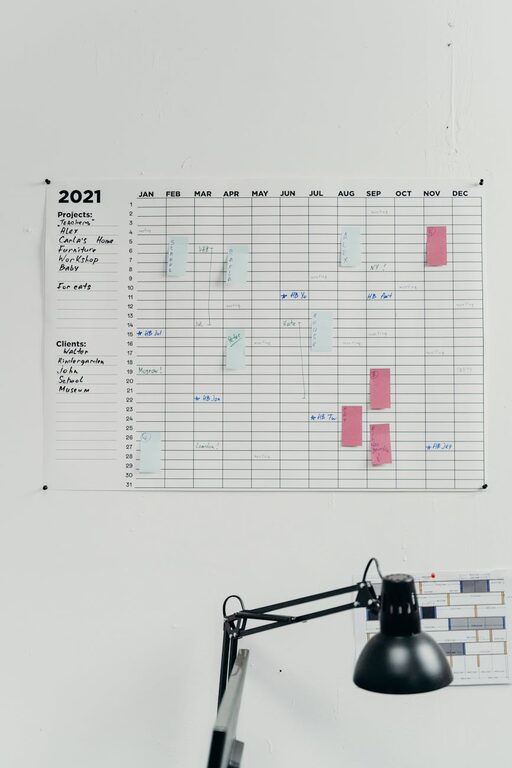
Creating a family command center is a great way to streamline busy household routines and keep everyone informed and on track. Whether you have kids with varying schedules or a household that juggles work, school, and activities, a central hub can make life simpler for everyone.
In this post, we’ll guide you through the essential steps to set up a family command center that suits your needs and helps your household run smoothly.
What Is a Family Command Center?
A family command center is a designated area in your home where you can organize important information, schedules, and supplies. It serves as a communication hub for your family, keeping calendars, to-do lists, mail, and reminders easily accessible. Command centers can be tailored to fit any space — from a corner of the kitchen to a wall near the entryway.
Benefits of a Family Command Center
– Improved organization: Keep essentials like calendars, chore charts, and notes in one spot.
– Clear communication: Everyone knows what’s happening and when.
– Reduced stress: Avoid missed appointments and lost papers.
– Encourages family participation: Kids can help manage chores and schedules.
– Saves time: No more searching for notes or calendars.
Step 1: Choose the Right Spot
Select a location your family passes often and spends time near. Common spots include:
– Kitchen wall or pantry door
– Entryway or mudroom
– Home office or study nook
Consider the available space, lighting, and proximity to where schedules are discussed (like the kitchen table).
Step 2: Gather Your Supplies
Depending on your space and style, gather items such as:
– Bulletin board or corkboard
– Magnetic dry-erase board or chalkboard
– Calendar (paper or digital display)
– Clipboards or file organizers for papers
– Hooks or bins for keys and mail
– Pen holder and supplies
– Labels for sections
You can choose coordinated containers and frames that match your home decor. Simple DIY options are also a fun way to personalize your command center.
Step 3: Decide What to Include
Customize the command center to fit your family’s unique needs. Consider including:
Calendars and Schedules
– Family calendar for appointments, activities, and events
– School and work schedules
– Meal planning calendar or whiteboard
To-Do and Chore Lists
– Daily or weekly chore charts
– Grocery and shopping lists
– Homework and project trackers
Communication and Reminders
– Important phone numbers and emergency contacts
– Notes section for messages or reminders
– Inspirational quotes or family goals
Mail and Paper Management
– Inbox and outbound mail trays
– Important documents folder (coupons, permission slips)
Step 4: Set It Up
Start by mounting the larger items like boards and calendars. Then add smaller organizational tools around them. Use containers or hooks to keep supplies tidy.
Keep it visually appealing but functional — avoid clutter. You can use color coding to help family members identify their sections easily.
Step 5: Establish a Routine
The key to a successful command center is regular use.
– Encourage family members to check the center daily.
– Update calendars and lists as needed.
– Hold weekly family meetings near the command center to review plans.
– Assign responsibility for maintaining the area.
Tips for Success
– Keep it simple; avoid overwhelming information.
– Allow space for creativity, like a rotating art display.
– Include a charging station for devices if space permits.
– Use technology for digital syncing—consider pairing the physical center with apps.
Conclusion
Setting up a family command center is a smart step towards a more organized and connected home. With a little planning and customization, your command center will become an invaluable tool to help your family manage life’s busy moments effortlessly.
Give it a try, and enjoy the benefits of a well-organized household!
—
Feel free to share your own ideas or photos of your family command center in the comments below!